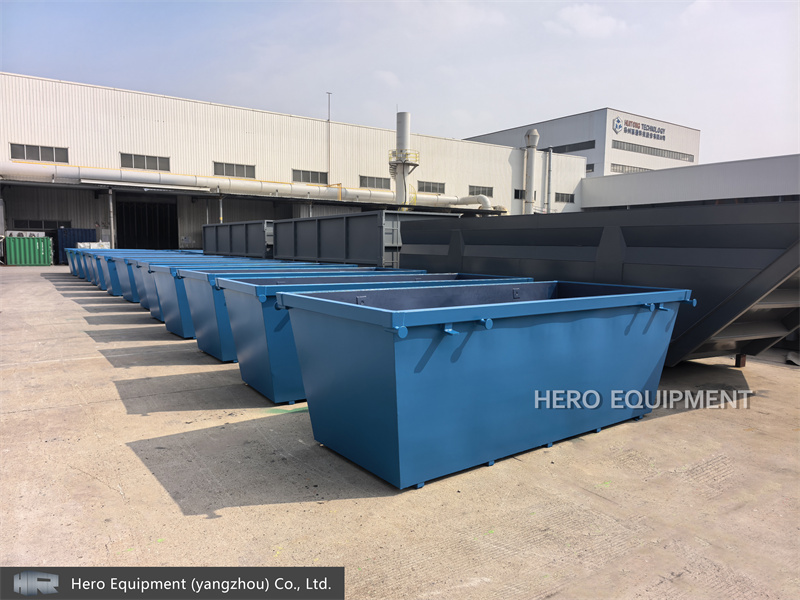
In today's rapidly evolving industrial landscape, effective waste management has become a cornerstone of sustainable business practices. Industrial skip bins play a pivotal role in this endeavor, offering a myriad of environmental benefits that extend far beyond mere waste disposal. This article delves into the significant environmental advantages of utilizing industrial skip bins, highlighting how they contribute to waste reduction, resource conservation, and overall ecological sustainability.
1. Efficient Waste Collection and Segregation
Streamlined Waste Management
Industrial skip bins provide a centralized and organized system for waste collection, ensuring that waste is gathered efficiently and systematically. This streamlined approach minimizes the likelihood of waste being scattered or improperly disposed of, reducing the environmental footprint associated with waste management activities.
Effective Segregation
By using separate skip bins for different types of waste—such as general waste, recyclables, and hazardous materials—industrial facilities can facilitate effective waste segregation. This segregation is crucial for maximizing recycling rates and ensuring that hazardous waste is handled and disposed of appropriately, thereby mitigating environmental pollution and health risks.
2. Reduction in Landfill Waste
Lower Landfill Contributions
Industrial skip bins enable businesses to divert a significant portion of their waste away from landfills. By implementing comprehensive waste management strategies that prioritize recycling and reuse, companies can substantially reduce the volume of waste sent to landfills. This reduction not only alleviates the burden on landfill capacities but also helps in minimizing the environmental impacts associated with landfill operations, such as methane emissions and groundwater contamination.
Extended Landfill Lifespan
With less waste being sent to landfills, the lifespan of existing landfill sites can be extended. This extension provides additional time for the development and implementation of more sustainable waste management solutions, such as advanced recycling technologies and waste-to-energy facilities.
3. Increased Recycling Rates
Facilitated Recycling Processes
Industrial skip bins dedicated to recyclable materials simplify the recycling process by ensuring that recyclables are collected and transported efficiently. This ease of collection encourages higher participation rates in recycling programs, leading to increased recycling rates and a greater diversion of materials from the waste stream.
Conservation of Resources
Higher recycling rates translate into significant conservation of natural resources. By reusing materials such as paper, plastics, metals, and glass, industries can reduce their reliance on virgin raw materials, thereby conserving energy, water, and other resources required for their extraction and processing.
4. Prevention of Pollution
Minimized Environmental Contamination
Proper waste management using industrial skip bins helps prevent pollution by ensuring that hazardous and non-hazardous wastes are segregated and disposed of correctly. This segregation prevents the mixing of harmful substances with general waste, reducing the risk of soil, water, and air contamination.
Reduced Emissions
Effective waste management practices facilitated by skip bins contribute to lower greenhouse gas emissions. By diverting organic waste from landfills, where it would otherwise decompose and produce methane—a potent greenhouse gas—industries can significantly reduce their carbon footprint. Additionally, recycling materials requires less energy compared to producing new products from raw materials, further decreasing emissions associated with manufacturing processes.
5. Promotion of Sustainable Practices
Corporate Social Responsibility (CSR)
The use of industrial skip bins aligns with corporate social responsibility initiatives by demonstrating a commitment to environmental stewardship. Companies that prioritize sustainable waste management practices are viewed more favorably by stakeholders, including customers, investors, and regulatory bodies, enhancing their reputation and brand value.
Community Engagement
Implementing effective waste management strategies using skip bins can also foster community engagement and education. By showcasing their commitment to sustainability, businesses can inspire and educate the local community about the importance of waste reduction and environmental conservation, promoting a culture of sustainability beyond the workplace.
6. Cost Savings and Resource Efficiency
Lower Waste Management Costs
Efficient waste collection and segregation facilitated by industrial skip bins can lead to cost savings in waste management operations. By reducing the volume of waste sent to landfills and increasing recycling rates, companies can lower disposal fees and take advantage of potential revenue streams from selling recyclable materials.
Resource Optimization
The conservation of resources through recycling and waste reduction initiatives contributes to overall resource efficiency. By optimizing the use of raw materials and energy, industries can enhance their operational efficiency and competitiveness while minimizing their environmental impact.
Conclusion
Industrial skip bins offer a multitude of environmental benefits that are essential for promoting sustainable waste management practices. From efficient waste collection and reduced landfill contributions to increased recycling rates and pollution prevention, the use of skip bins plays a critical role in mitigating the environmental impacts of industrial activities. Moreover, these benefits extend beyond environmental conservation, encompassing aspects of corporate social responsibility, community engagement, and cost savings.
As industries continue to evolve and face increasing pressure to adopt sustainable practices, the role of industrial skip bins in supporting these efforts becomes even more pronounced. By embracing these waste management solutions, businesses can contribute to a greener, more sustainable future while reaping the numerous benefits associated with effective waste management.



 Telefon
Kommentar
(0)